How to Spot a Historical Fake Online: A Checklist for Viral Images and Quotes
October 30, 2026 - History
Most emergency kits fail for a boring reason: they are built in one frantic afternoon, shoved into a bin, and never touched again. A workable 72-hour kit is smaller than people imagine and more specific. It covers the first three days after a power outage, a severe storm, a water main break, or a sudden evacuation order — the window when services are stretched and you need to rely on what is already in your home. Building it room by room is the easiest way to avoid buying three can openers and forgetting the medication you take every morning.
The kitchen is where most of the weight and volume lives, so start here. Store supplies in a cool, dry place you can reach without moving furniture. A deep pantry shelf or a lower cabinet near the door works better than a locked attic.
A small camping stove is useful, but use it outdoors only. Never burn fuel inside a home, garage, or tent. Pack paper plates, sturdy utensils, a few heavy-duty trash bags, dish soap, and a roll of paper towels. A plastic tub with a lid doubles as a washbasin and keeps supplies dry.
This room holds the items people most often forget until they need them. Set aside a small pouch for medication and another for hygiene so you can grab both quickly.
Ask your pharmacist or doctor about how to store a small backup supply and how to rotate it safely. Medication storage is not a place to improvise.
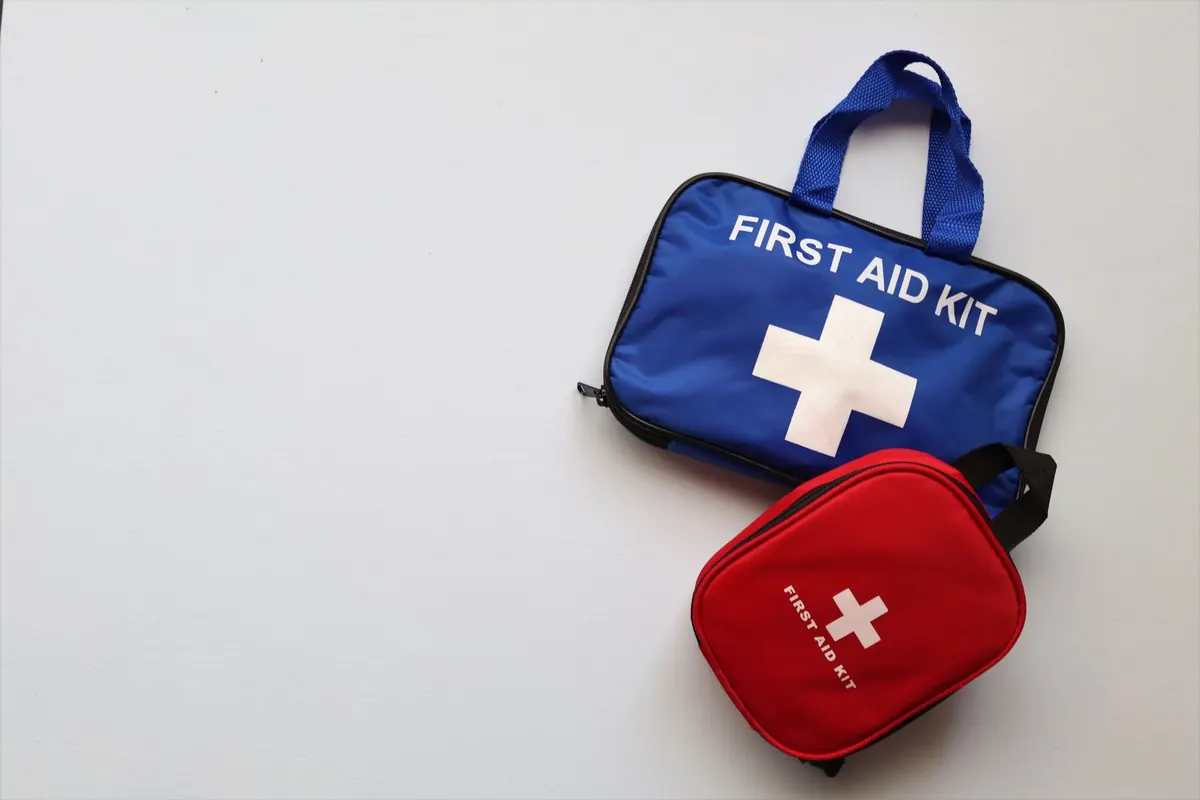
Pack adhesive bandages, sterile gauze, medical tape, antiseptic wipes, disposable gloves, tweezers, scissors, and a thermometer. Add soap, hand sanitizer, toothbrushes, toothpaste, menstrual products, toilet paper, wet wipes, and a few sealable bags for waste. If you have infants, include diapers and wipes here or in the household section.
Documents are light and easy to overlook. Keep copies in a waterproof envelope or zipper bag, and tell every adult in the house where it lives.
Pack a change of clothes for each person, sturdy shoes, a warm layer, and a blanket or sleeping bag. Add a flashlight, spare batteries, a battery-powered or hand-crank radio, a power bank, and charging cables. A paper map is still useful when phone networks are crowded or down. Include a notebook and pen for messages and a small comfort item for each child.
Keep the tools near the door or in the garage, where you can reach them without walking through the whole house. The car kit should be separate, because you may need it while away from home.
Keep water, snacks, a blanket, a flashlight, jumper cables, a phone charger, and a basic first aid kit in the vehicle. In cold weather, add an ice scraper, warm gloves, and a bag of sand or cat litter for traction. Check the car kit when you check the house kit.
A kit for two adults looks different from a kit for a family with a toddler, a dog, and an older parent. Build around the people and animals who actually live with you.
A kit that sits untouched for five years is not a kit; it is a museum of good intentions. Choose a storage spot that stays dry and reachable, label the bins, and set a calendar reminder every six months. Rotate water and food before they expire, test flashlights and radios, and swap out clothes as children grow or seasons change. Keep a smaller grab-and-go bag near the door for evacuations, and reserve the larger bins for sheltering at home.
Once a year, spend one evening using the kit on purpose. Cook from the pantry, light the rooms with flashlights, and check whether the can opener is where you thought it was. You will find the gaps quickly, while the stakes are low.
Build in stages. This week, fill water containers and print your documents. Next week, add medication and first aid supplies. The week after, sort the kitchen and car. A 72-hour kit does not need to be perfect or expensive; it needs to be complete enough for three unsettled days and familiar enough that you can use it in the dark. Start with water, food, medication, and copies of your papers, then add the rest room by room.
Photo: Roger Brown / Pexels

A practical checklist for testing viral historical photographs, quotations and claims before you repeat them — from...

A practical guide to local festivals: how to ask before filming, follow rituals without disrupting them, dress for...
Copyright © 2026 Almanacco Di Tutti. All Right Reserved.