How to Spot a Historical Fake Online: A Checklist for Viral Images and Quotes
October 30, 2026 - History
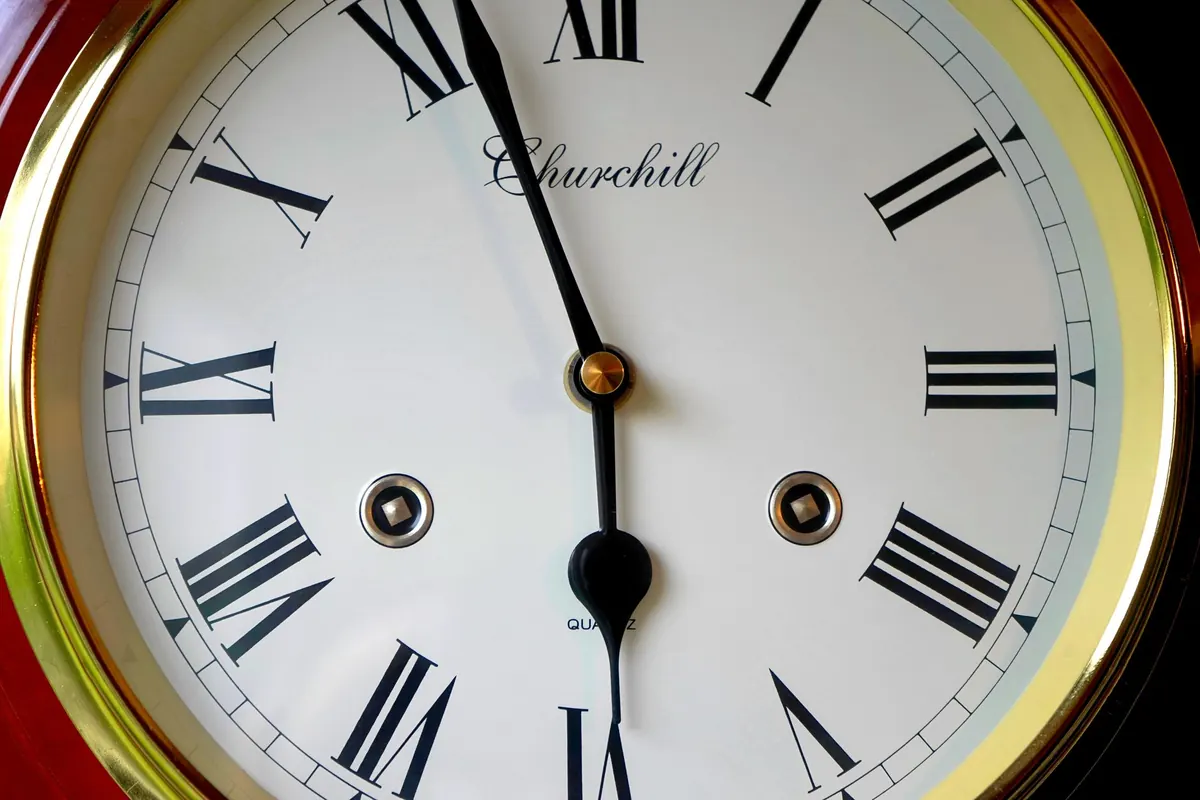
The weekend the clocks change is easy to waste. You adjust the oven, the car, maybe the watch you never wear, and then forget the rest. But the twice-yearly shift is a useful hinge in the year: a moment when the house, the calendar and your daily routine are already in flux. Treat it as a prompt to run a short seasonal checklist — not a frantic purge, just a sensible pass through safety, health, sleep and home maintenance. The tasks take less time than a supermarket shop, and they catch the things that are easy to ignore until they fail.
Begin with the devices whose only job is to wake you when something is wrong. Smoke alarms and carbon monoxide alarms deserve more than a glance. Press the test button on each unit. If the alarm uses a removable battery, fit a fresh one unless the unit has a sealed, long-life battery; in that case, test it and note the replacement date on the casing or in your calendar. Vacuum the cover gently to clear dust and cobwebs, and check the manufacture or expiry date printed on the unit. Alarms do not last forever, and a chirping alarm in the ceiling is easier to deal with on a Saturday morning than at 2 a.m. while you are standing on a chair.
Then walk through the house and ask the boring questions: Is there an alarm outside each sleeping area? Is the one near the kitchen far enough from the hob to avoid false alarms? Does everyone know what the alarm sounds like? A quick family drill, even a two-minute one, is worth more than a perfect plan that nobody has practised. If a unit fails the test, replace it rather than coaxing it. If you rent, report a faulty alarm to your landlord or managing agent in writing and keep a note of the date.
The clock change can trip up medication routines because many of us schedule doses by the clock — morning, lunchtime, bedtime — rather than by a fixed interval. A one-hour shift is usually manageable, but it is not a reason to improvise, especially with medicines that have narrow timing requirements or that are taken for heart conditions, diabetes, epilepsy, blood thinning or hormone replacement. Do not double up, skip a dose or shift a prescription schedule on your own to match the new time. If you are unsure whether a dose should move with the clock or stay at a fixed interval, ask a pharmacist or the clinician who prescribed it. A short call or a question at the pharmacy counter is a sensible use of five minutes.
Use the change as a prompt to tidy the practical side of your routine:
This is general advice, not a substitute for personalised medical guidance. If you take several medicines or manage a condition that depends on precise timing, speak to a pharmacist or your clinician before making any change.
Sleep often feels like the first casualty of a clock change, particularly in spring, when the morning arrives an hour earlier by the clock but the body is not ready. The goal is not a perfect switch overnight but a gentle nudge. For a few nights before the change, shift bedtime by 15 to 20 minutes. Keep your wake time consistent, get daylight early in the day, and dim the lights in the evening. Heavy meals, caffeine and alcohol late at night make the adjustment harder for many people, so keep the evening routine simple.
Children and pets often notice the change before adults do. Adjust naps, bedtime and feeding times gradually rather than all at once. For pets, move walks and meals by a few minutes over several days. For children, keep the wind-down routine familiar: bath, book, lights low, same order. After the autumn change, resist the temptation to sleep in for an extra hour; a steady morning routine helps the body settle faster. If sleep problems persist for weeks, or if daytime sleepiness is affecting work or safety, seek advice from a health professional.
Use the hour as an excuse to walk around with a torch and a notepad. Seasonal maintenance is mostly small things caught early. Start with the jobs that suit the season — gutters after leaves fall, draughts before winter, cooling filters before summer — but keep a few year-round checks on the list. Work through them in order and stop when you have done enough.
Keep it modest. A checklist that takes forty-five minutes and actually happens beats a fantasy weekend of deep cleaning. Write down the jobs you cannot finish and put them in the calendar for the next free afternoon.
Then deal with the clocks that hide in plain sight: the oven, microwave, car, heating controller, security light timer, irrigation system, thermostat schedule, watch and any plug-in timer for lamps. Check recurring calendar events that were set by local time, and confirm that automatic reminders for appointments, bill payments and household services still make sense. A clock change is also a good moment to book the boiler service, replace the water filter, check the car’s service date and update the household calendar with the next round of appointments.
Put a note in your phone for the next clock change so the checklist returns without effort. The point is not to become a person who loves admin. It is to let the calendar do the remembering, so the important checks do not depend on a vague feeling that something is due.
If you do only three things when the clocks change, make them these: test the smoke and carbon monoxide alarms, review medication reminders with a pharmacist if anything is unclear, and replace the heating or cooling filter. Then choose one sleep adjustment and one small home repair. That is enough to turn an annoying hour of clock-setting into a useful pause — a short, repeatable ritual that keeps the household safer, calmer and a little better prepared for the season ahead.
Photo: Mike Bird / Pexels

A practical checklist for testing viral historical photographs, quotations and claims before you repeat them — from...

A practical guide to local festivals: how to ask before filming, follow rituals without disrupting them, dress for...
Copyright © 2026 Almanacco Di Tutti. All Right Reserved.